

Certificate III in Carpentry
This qualification covers carpentry and construction skills, including tool use, materials handling, demolition, framing, concreting, and safety procedures. Core and elective units allow…
About Course
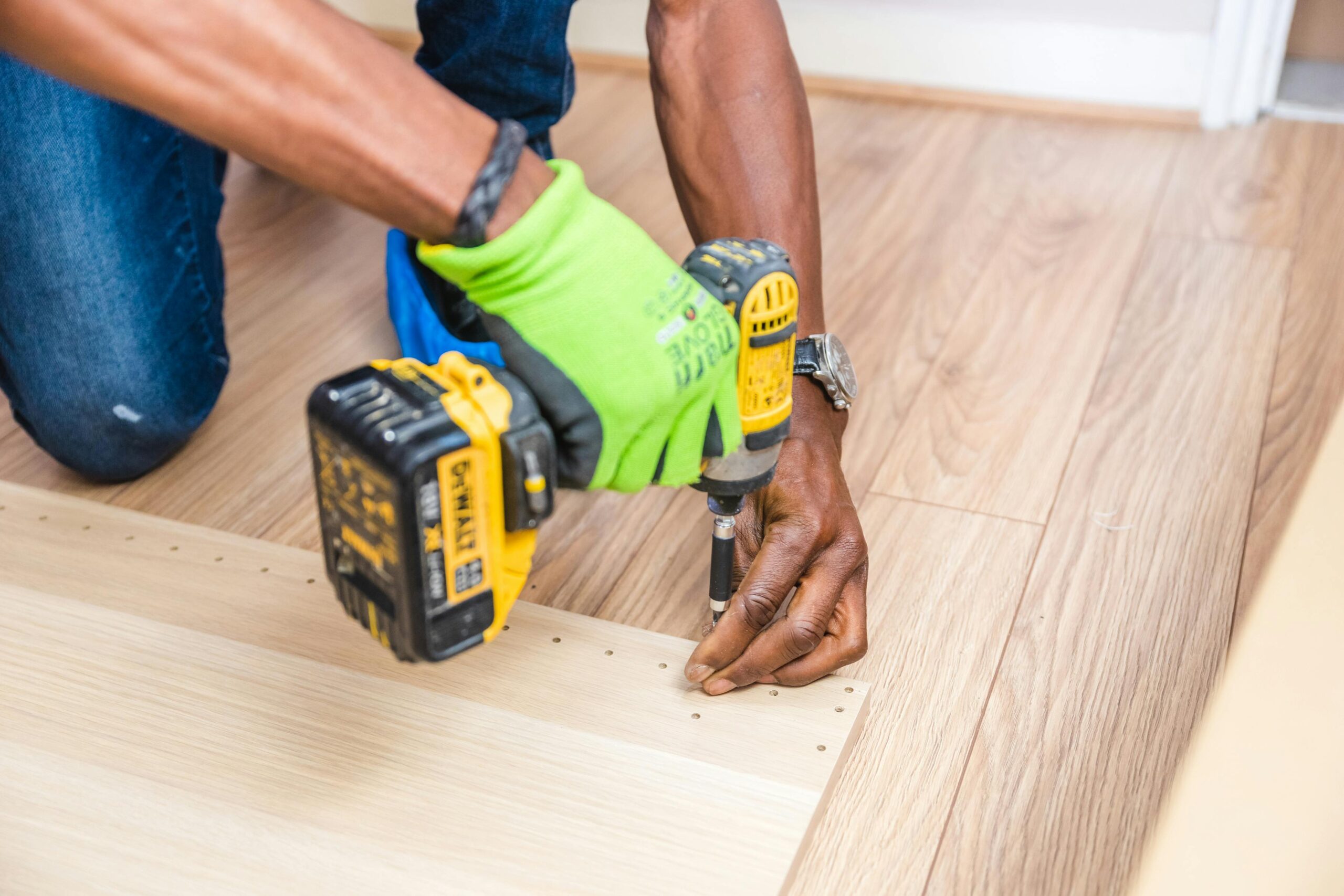
This qualification covers carpentry and construction skills, including tool use, materials handling, demolition, framing, concreting, and safety procedures. Core and elective units allow specialization in areas such as flooring, formwork, and installations.
Occupational titles may include:
- Carpenter
- Carpenter and joiner.
The qualification has core unit of competency requirements that cover common skills for the construction industry, as well as a specialist field of work.
The construction industry strongly affirms that training and assessment leading to recognition of skills must be undertaken in a real or very closely simulated workplace environment and this qualification requires all units of competency to be delivered in this context.
Completion of the general induction training program specified by the National Code of Practice for Induction Training for Construction Work (ASCC 2007) is required before entering a construction work site. Achievement of unit CPCCOHS1001A covers this requirement.
Employability Skills Summary
|
Employability skill |
Industry/enterprise requirements for this qualification include:</strong > |
|
Communication |
|
|
Teamwork |
|
|
Problem solving |
|
|
Initiative and enterprise |
|
|
Planning and organising |
|
|
Self management |
|
|
Learning |
|
|
Technology |
|
Packaging Rules
|
To achieve this qualification, the candidate must demonstrate competency in:
A maximum of two of the eight required elective units may be substituted by selecting relevant units of competency from any Certificate III or IV construction qualification or qualification in another endorsed Training Package. Some units in this qualification may have prerequisite requirements, which must be met when packaging the qualification. Users are referred to the list of CPC08 units with prerequisite unit requirements available in this Training Package for this purpose.
|
|
|
Core units |
|
|
|
|
|
CPCCCA2002B |
Use carpentry tools and equipment |
|
CPCCCA2011A |
Handle carpentry materials |
|
CPCCCA3001A |
Carry out general demolition of minor building structures |
|
CPCCCA3002A |
Carry out setting out |
|
CPCCCA3023A |
Carry out levelling operations |
|
CPCCCM1012A |
Work effectively and sustainably in the construction industry |
|
CPCCCM1013A |
Plan and organise work |
|
CPCCCM1014A |
Conduct workplace communication |
|
CPCCCM1015A |
Carry out measurements and calculations |
|
CPCCCM2001A |
Read and interpret plans and specifications |
|
CPCCCM2002A |
Carry out excavation |
|
CPCCCM2007B |
Use explosive power tools |
|
CPCCCM2008B |
Erect and dismantle restricted height scaffolding |
|
CPCCCM2010B |
Work safely at heights |
|
CPCCCO2013A |
Carry out concreting to simple forms |
|
CPCCOHS2001A |
Apply OHS requirements, policies and procedures in the construction industry |
|
|
|
|
Construction and erection of frames, trusses, eaves and roofs field of work </strong > |
|
|
|
|
|
CPCCCA3003A |
Install flooring systems |
|
CPCCCA3004A |
Construct wall frames |
|
CPCCCA3005B |
Construct ceiling frames |
|
CPCCCA3006B |
Erect roof trusses |
|
CPCCCA3007C |
Construct pitched roofs |
|
CPCCCA3008B |
Construct eaves |
|
|
|
|
Elective units |
|
|
|
|
|
Installation field of work |
|
|
|
|
|
CPCCCA3010A |
Install and replace windows and doors |
|
CPCCCA3012A |
Frame and fit wet area fixtures |
|
CPCCCA3013A |
Install lining, panelling and moulding |
|
CPCCCA3016A |
Construct timber external stairs |
|
|
|
|
Formwork construction field of work </strong > |
|
|
|
|
|
CPCCCA3018A |
Construct, erect and dismantle formwork for stairs and ramps |
|
CPCCCA3019A |
Erect and dismantle formwork to suspended slabs, columns, beams and walls |
|
CPCCCA3020A |
Erect and dismantle jump form formwork |
|
|
|
|
General electives |
|
|
|
|
|
BSBSMB301 |
Investigate micro business opportunities |
|
BSBSMB406 |
Manage small business finances |
|
CPCCCA2003A |
Erect and dismantle formwork for footings and slabs on ground |
|
CPCCCA3009B |
Construct advanced roofs |
|
CPCCCA3011A |
Refurbish timber sashes to window frames |
|
CPCCCA3014A |
Construct bulkheads |
|
CPCCCA3015A |
Assemble partitions |
|
CPCCCA3017B |
Install exterior cladding |
|
CPCCCA3022A |
Install curtain walling |
|
CPCCCM3001C |
Operate elevated work platforms |
|
CPCCSF2003A |
Cut and bend materials using oxy-LPG equipment |
|
CPCCSF2004A |
Place and fix reinforcement materials |
|
CPCCWC3003A |
Install dry wall passive fire-rated systems |
|
RIICCM210D |
Install trench support |
|
RIIWHS202D |
Enter and work in confined spaces |
|
RIIWMG203D |
Drain and dewater civil construction site |
©2024. All rights reserved by Digital Life Services.